Your API is lying to your docs.
DocSemantic catches when your live API drifts from its contract — before your customers do.
Free · 100,000 requests/month- Blast Radius
- Learned Contracts
- Shape-Only Privacy
- CI Gate
- Five Surfaces
- Live Badge
One job, done in three steps
Connect traffic, see who breaks, fix it. That's the whole product.
 01
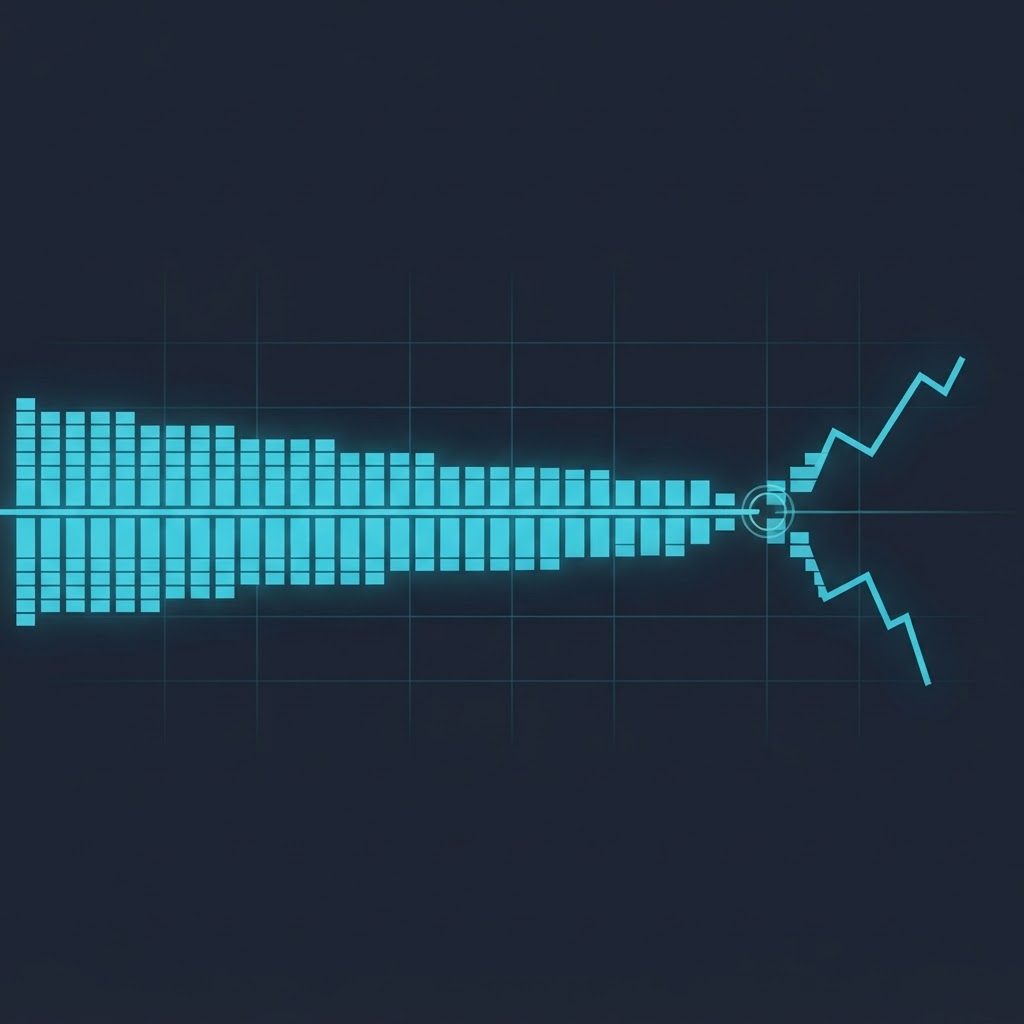
01Detect drift from real traffic
Point DocSemantic at your live requests. It learns your API's real contract — no spec to write — and catches the moment a response drifts from it.
 02
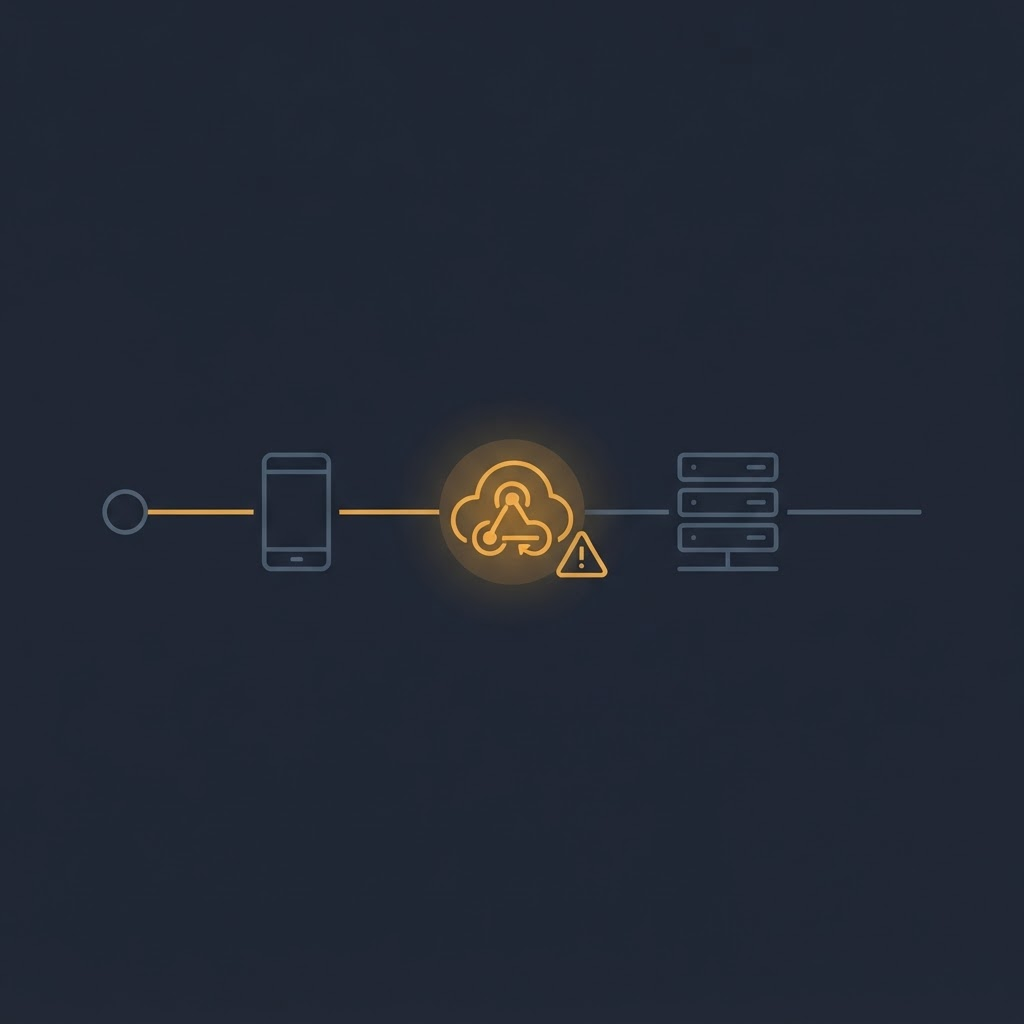
02Name exactly who breaks
Every other tool watches the API. DocSemantic tracks who consumes it — so it names the exact app, service, or team that breaks when a field changes.
 03
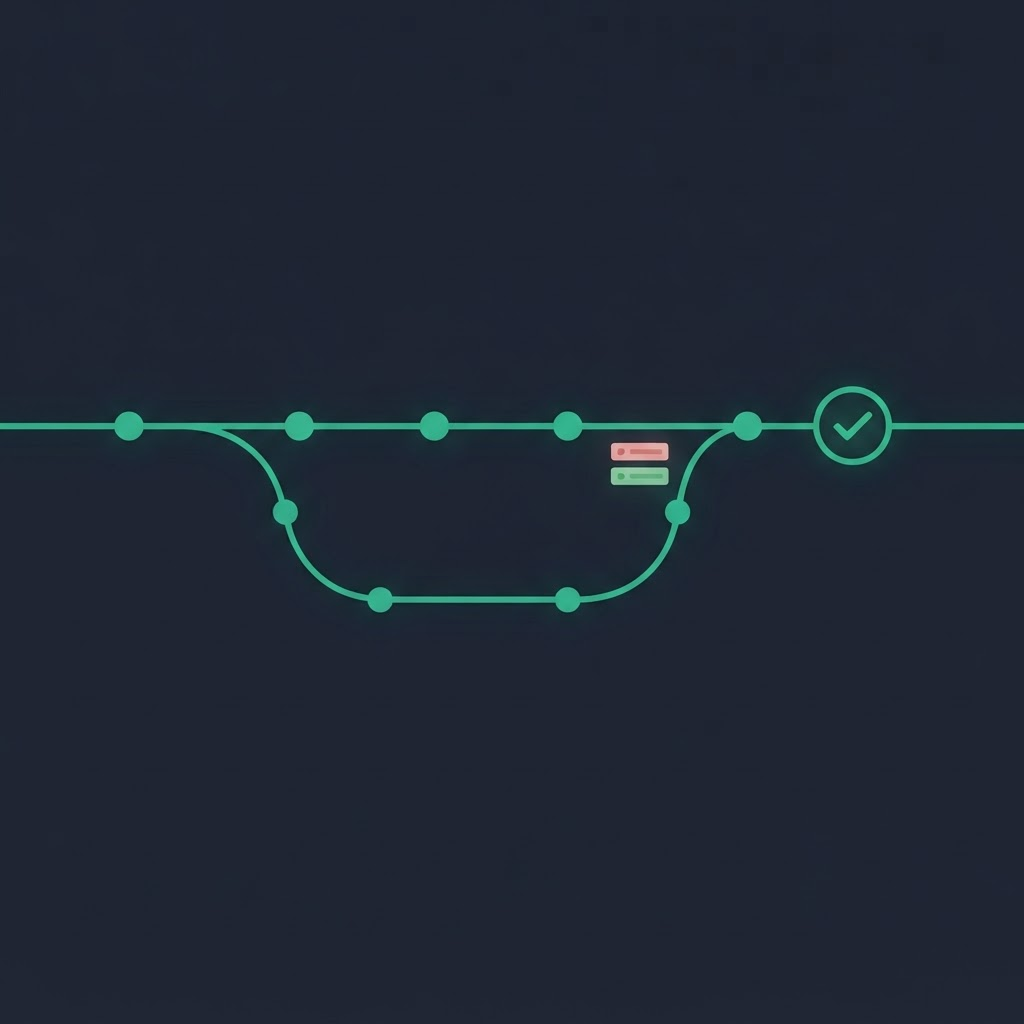
03Fix it with one PR
Get the change explained in plain English and open a pull request that reconciles your contract with reality. Review, merge, done.
See the blast radius before you ship
A field changes and DocSemantic already knows who was reading it. Every drift arrives with the consumers it touches, ranked by share of affected traffic — so you can tell a harmless rename from a rollback without paging three teams to find out.
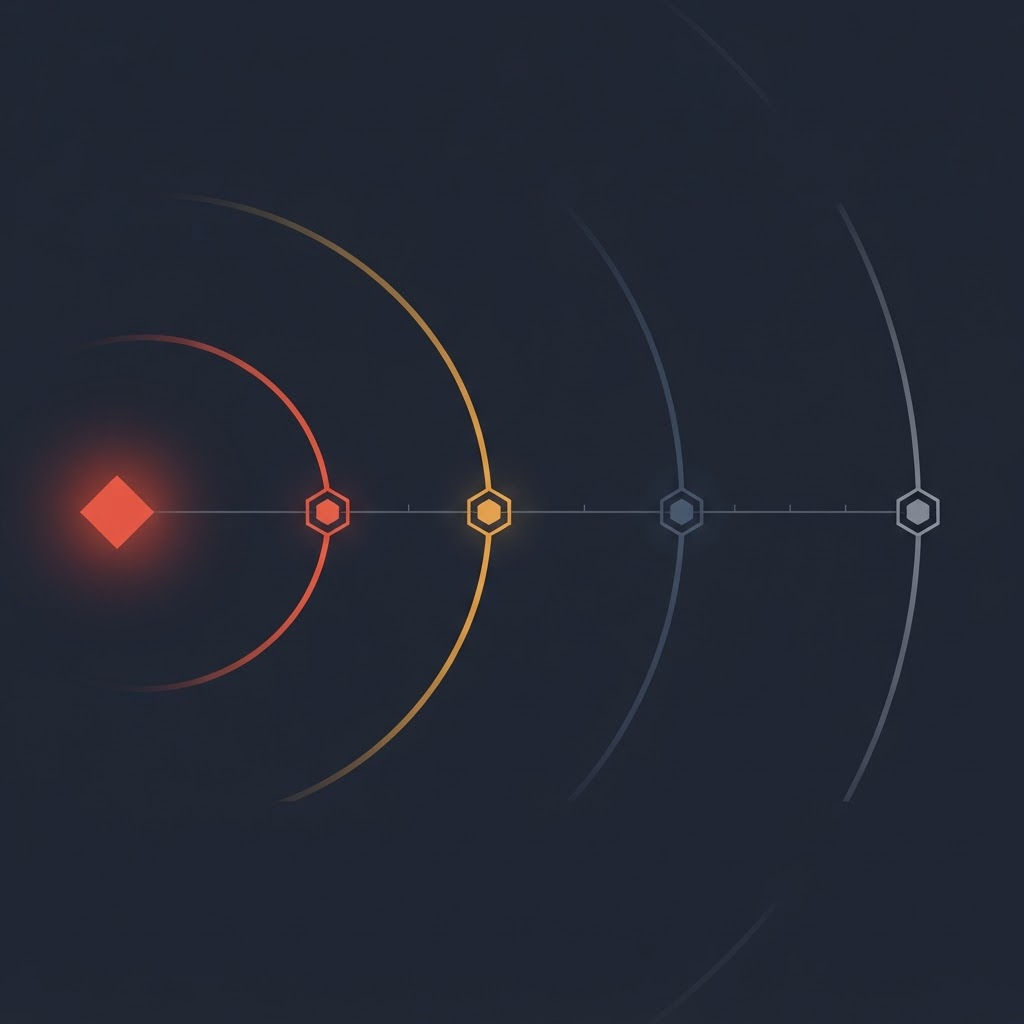
Blast radius
If this change ships
- 1Mobile App v4.2Critical5,000 sessions/day
- 2Checkout ServiceHigh1,200 requests/hr
- 3Partner WebhooksMedium48 integrations
Six ways DocSemantic changes how you ship APIs
One platform, six capabilities. Nothing here needs an account to verify.
Blast Radius
Tells you exactly who breaks.
Learned Contracts
No spec required — learns from traffic.
Shape-Only Privacy
Optional mode sends only the shape — your data's values never leave your infrastructure.
CI Gate
Fails PRs before they break users.
Five Surfaces
One engine, five ways in: CLI, HTTP API, GitHub Action, README badge, and an MCP server for AI agents.
Live Badge
Public contract health, no signup needed.
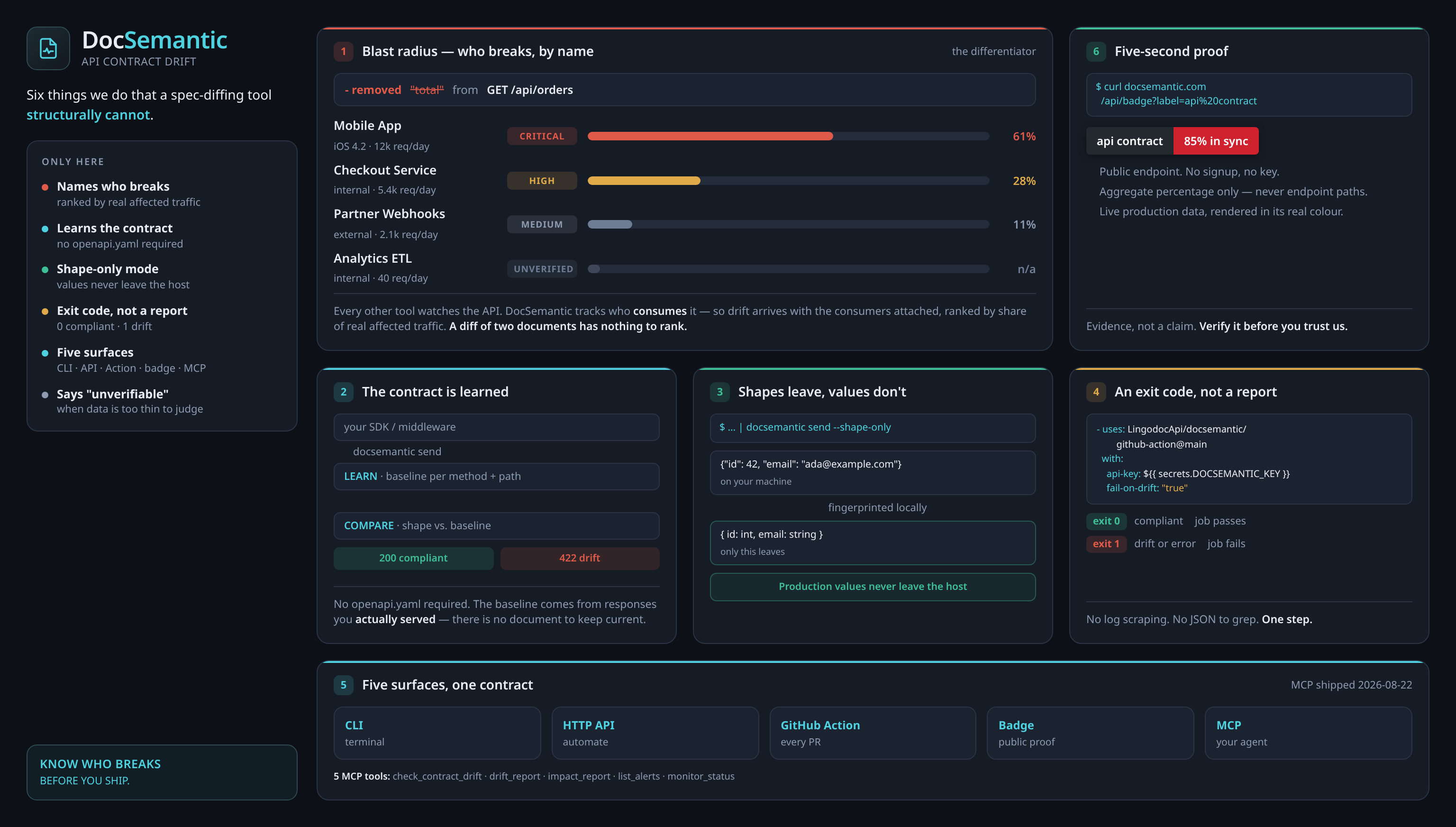 Six panels — blast radius, learned contracts, shape-only privacy, the CI gate, five surfaces, and a live badge.Open full size(opens in a new tab)
Start free. Scale as you grow.
Four plans, from a free tier to Enterprise. Higher tiers raise your monthly request allowance and add seats, longer drift history, and production integrations — so you pay as your traffic and team grow.
Free
Everything a solo developer needs to get started.
- 100,000 API requests / month included
- 2 monitored APIs
- 7 days of drift history
- 1 developer seat
- 50 AI generations / month
- CLI, GitHub Action & public drift badge
- Local MCP server access
Developer
For growing APIs heading to production.
- Everything in Free
- 1,000,000 API requests / month included
- 3 seats
- 5 monitored APIs
- 30 days of drift history
- Slack & email alerts
- Single-user MCP context
Team
For teams shipping APIs to production.
- Everything in Developer
- 10,000,000 API requests / month included
- 10 seats
- Unlimited monitored APIs
- 90 days of drift history
- Slack, Datadog & Sentry integrations
- PR Auto-Fix bot & “who breaks”
- Shared team MCP context
Enterprise
For orgs that ship APIs at scale.
- Everything in Team
- Custom traffic volume
- Unlimited seats
- Unlimited drift history
- SAML SSO & audit logs
- Priority support & SLA
The Optic alternative that's actively maintained
Optic got the big things right — learning your contract from real traffic and catching drift in CI. We kept those, then added what it never had: plain-English AI explanations, auto-fix PRs, and tracking of which consumer actually breaks. Bring your optic.yml and keep your CI gate.
| Capability | Optic | DocSemantic |
|---|---|---|
| Contract drift detection | ||
| Learns contract from traffic (no spec) | ||
| Blocks breaking changes in CI | ||
| Plain-English AI explanations | — | |
| Names which consumer breaks | — | |
| Auto-fix pull requests | — | |
| Continuous production monitoring | — | |
| Actively maintained | — |
Optic did contract capture and CI drift well — DocSemantic keeps that and stays maintained.
Your docs promise one thing. Make your API keep it.
Send real traffic and see your first drift report in under a minute — no spec to write.
Start free